


How Much Do All-On-6 Implants Cost In Nashik?
If you’ve been using removable dentures for a while, you might already know the struggle. One day, they feel fine. The next day, they’re slipping mid-conversation, clicking while you eat, or worse, causing sore spots. It gets frustrating. You want to chew properly, speak confidently, and not feel like your teeth are going to fall out in the middle of a family function.
That’s where full-mouth implant solutions like All-on-6 come into the picture. And if you're from Nashik or nearby, you might be wondering, how much does an All on 6 implant in Nashik actually cost? And more importantly, what goes into it?
Let’s unpack all of this in a simple, non-complicated way, just as we do here at Dental Design Center for Implant Dentistry.
So, What Exactly is an All on 6 Implant?
Let’s not get too technical, but here’s the simple idea.
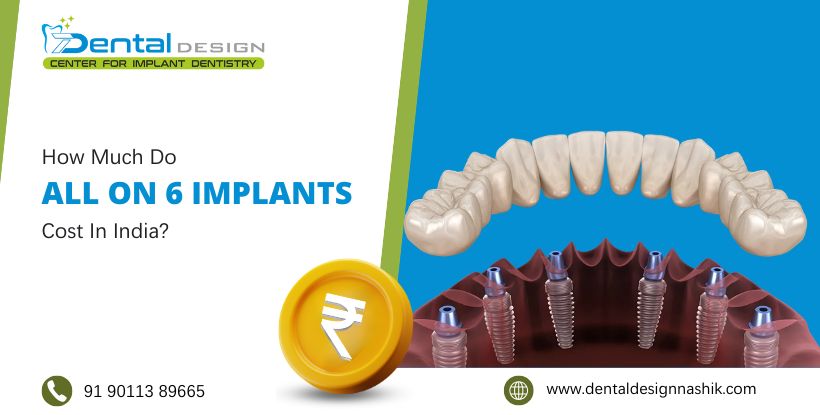
All-on-6 means that six dental implants are placed strategically in your jaw, and a full set of teeth is fixed over them. These implants act like strong roots, holding the new teeth in place securely, comfortably, and for the long run.
Compared to removable dentures, All-on-6 implants:
- Don’t shift or move when you talk or eat
- Feel much more like natural teeth
- Help maintain your jawbone and facial shape
- They are cleaned just like your real teeth, no soaking cups or adhesives
Think of it like upgrading from a patchy internet connection to fiber broadband. It’s a game-changer.
What Goes Into the Cost of All on 6 Implant
If you’re exploring the All-on-6 implant in Nashik, it’s natural to want clarity on what contributes to the overall cost. It’s not a simple one-line figure, because every mouth, every smile, and every need is a little different.
Here’s what typically goes into the process:
Implant Planning: A Careful Start
Every successful result begins with a smart plan. Before we begin, we study your jaw, gums, and bite using digital scans and imaging tools.
- We use these scans to map out where each of the six implants should go
- The plan also includes how your final teeth will sit, look, and function
- It’s about matching science with comfort, so things work as they should
This step helps avoid guesswork and gives us a roadmap to follow at every stage.
Material Choices: Built for Your Smile
The materials we use directly affect how your new teeth feel, look, and last.
- Implant posts are usually made of biocompatible titanium
- Your bridge may be made from acrylic, composite, or zirconia, depending on your needs
- The type of material influences comfort, bite feel, and wear resistance
Choosing the right material isn’t just about durability—it’s about what fits you best.
Bone Condition: The Strength Beneath
The health of your jawbone plays a big role in implant success.
- If your bone is strong and healthy, we can usually go ahead without delay.
- If there’s bone loss, we may need to do a bone graft or minor prep to support the implants.
- These extra steps help protect your implants for the long term.
We assess this early on so you know what’s needed before anything begins.
Post-Op Care and Healing Support
After the implants are placed, your mouth needs time to heal and adjust.
- We check in with you regularly and track your healing progress.
- If temporary teeth were fitted, we’ll guide you on eating and cleaning routines.
- Once everything settles, we proceed with the final fitting for your permanent teeth.
We stay connected throughout, so you never feel left on your own during recovery.
Number of Visits and Adjustments
Every person’s timeline is a little different, and that’s okay.
- Some smiles are ready for the final teeth within a few weeks.
- Others may need more visits for fittings, adjustments, or follow-ups.
- Each session plays a role in shaping your final result.
This back-and-forth process adds value to the outcome, it’s not rushed, and it helps your new smile feel just right.
Long-Term Maintenance Planning
We don’t just help you get implants, we help you keep them working well for years to come.
- We provide checkups and advice on cleaning techniques.
- Optional touch-ups or deep cleanings can be part of the plan.
- You’ll receive specific dos and don’ts to protect your smile investment.
This part often goes unnoticed, but it’s key to making your All-on-6 experience truly lasting.
Who Is It For?
- Those who have lost most or all of their teeth.
- People are struggling with unstable or loose dentures.
- Anyone tired of avoiding crunchy or hard-to-chew foods.
- Individuals who want a fixed, no-hassle alternative to removable options.
If your gums and bones are healthy, or even if you've had some bone loss that can be corrected, you’re likely a good candidate. We’ll assess that in your first visit with a simple scan.
Why Is It Becoming So Popular?
More and more people are looking for permanent, low-maintenance options that don’t compromise on comfort. Especially in cities like Nashik, where local food includes crunchy, fibrous dishes, All-on-6 gives people the confidence to eat, smile, and speak without holding back.
Here’s why it's catching on:
- No shifting or slipping like old-school dentures.
- Let you enjoy food without second-guessing every bite.
- Gives your face a more natural, youthful shape.
- A long-term choice that doesn’t feel artificial.
Let’s Talk Smiles
Thinking About Going for All-on-6? Drop By, We’ll Walk You Through It
Getting a full set of strong, natural-looking teeth doesn’t have to be complicated or scary. At Dental Design Center for Implant Dentistry in Nashik, we treat every smile like it matters, because it does. Whether you’re just exploring your options or seriously considering the All on 6 implant in Nashik, we’d love to meet you, hear your concerns, and guide you step by step.
Call us, message us, or simply walk in. Let’s make chewing, smiling, and speaking easy again, for good.
FAQs
1. Will I be able to eat normal food after getting All-on-6 implants?
Yes. After the healing phase and final bridge placement, you can eat most foods comfortably. We advise softer foods during the initial recovery, but once settled, the implants offer strong chewing ability similar to natural teeth. Regular care helps maintain this function long-term.
2. Is the All-on-6 implant procedure painful?
No, the procedure itself is done under local anesthesia, so you won’t feel pain during implant placement. Mild soreness or swelling is common for a few days after, which is manageable with medication and rest. Most people return to routine activities within a few days.
3. How long do All-on-6 implants last?
All-on-6 implants are designed to last for many years, often decades, if cared for properly. Daily brushing, avoiding harmful habits, and regular dental visits help extend their lifespan. The implant posts fuse with your bone, while the bridge may be replaced if needed after years of wear.
4. Can someone with a few remaining teeth still choose All-on-6?
Yes. If the remaining teeth are unhealthy or loose, we may recommend their removal before placing the implants. If some teeth are healthy and stable, we’ll assess whether a mixed restoration is possible. It depends on the overall condition of your mouth and jawbone.
5. How is All on 6 different from All-on-4?
The All-on-6 technique uses six implants per arch, while All-on-4 uses four. The two additional implants offer extra support and stability, especially in people with moderate bone loss or wider jaws. All-on-6 is often chosen for better long-term function and durability.