



Tooth Pain: Common Causes, Home Care Tips & When to See a Dentist
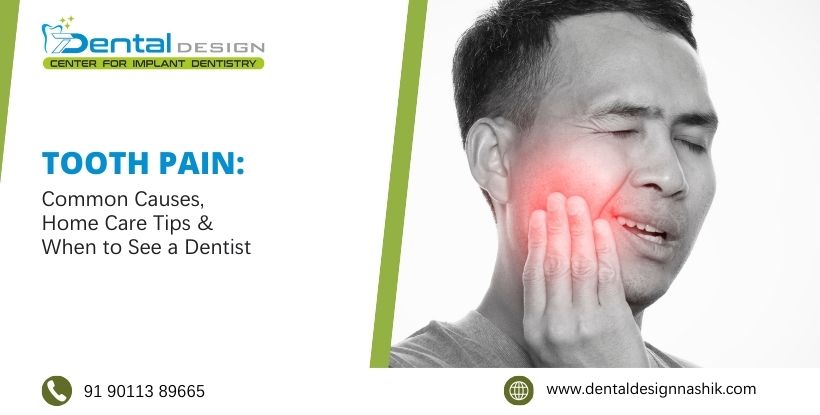
Teeth are funny like that. They behave perfectly for years and then suddenly decide to complain, loudly.
A little sensitivity here, a slight ache there, and before you know it, tooth pain is influencing your mood, your meals, and even your conversations.
You start making excuses for it, adjusting habits around it, and hoping it’s “nothing serious,” even though deep down you know your mouth is trying to say something important.
At Dental Design Clinic, we see this pattern almost every day. What often begins as a small, ignorable discomfort usually has a clear reason behind it, something your teeth and gums are reacting to.
Understanding why that pain shows up, what you can safely do at home, and when it’s time to seek professional care can make all the difference between temporary relief and long-term oral comfort.
Why Do Tooth Ache Show Up Uninvited?
Your teeth are tough on the outside but surprisingly sensitive on the inside. Tiny nerves live beneath the surface, and when something irritates them, they make noise. Loud noise.
Here are the most common causes of tooth pain, explained in a way that actually makes sense.
1. Cavities: Small Hole, Big Drama
Sugar + bacteria = acid.
Acid + enamel = damage.
Over time, this damage turns into a cavity. Cavity tooth pain usually starts quietly, maybe a little twinge with sweets, and then levels up if ignored. Once the decay reaches deeper layers, the ache becomes more regular and harder to ignore.
Friendly heads-up: Pain while chewing or a lingering ache after eating something sweet often points here.
2. Sensitive Teeth and Their Mood Swings
If cold water feels like an electric shock or hot tea makes you flinch, you might be dealing with sensitive teeth pain. This happens when the protective enamel thins or gums pull back slightly, exposing sensitive areas.
Common triggers include:
- Overenthusiastic brushing (hard bristles, we’re looking at you)
- Teeth grinding
- Acidic foods
- Whitening products used too often
Pro Tip: Sensitivity that lasts only a few seconds is usually manageable with the right care. Long, lingering pain needs attention.
3. Gum Issues: Silent but Serious
Gum inflammation doesn’t always announce itself with pain at first. But as it progresses, you might notice soreness, bleeding, or a constant dull discomfort around a tooth. When gums pull away, bacteria get extra space to cause trouble.
If your tooth feels fine but the area around it hurts, your gums might be the main character here.
4. Cracks You Can’t See
Not all cracks are obvious. Tiny fractures from chewing ice, hard snacks, or grinding teeth can cause pain that comes and goes. The tooth may look perfectly normal but reacts strongly when you bite down.
This kind of pain often feels confusing, there one day, gone the next, then back again.
5. Wisdom Teeth Acting Up
Wisdom teeth love creating chaos. When they don’t have enough space to come in properly, they can cause pressure, swelling, and pain at the back of the mouth. Sometimes the discomfort spreads to the jaw or ear, making it tricky to pinpoint.
6. Sinus Pressure Masquerading as Tooth Trouble
Upper back teeth sit close to the sinuses. During a cold or sinus infection, pressure can create a toothache-like sensation. The giveaway? Multiple upper teeth hurting at the same time, especially with congestion.
When Tooth Ache Is Trying to Get Your Attention (Loudly)?
Some discomfort can wait a day or two. Some really shouldn’t.
You should think about seeing a dentist nearby if you notice:
- Pain that sticks around for more than a day
- Swelling in the gums or face
- Pain while biting or chewing
- Sensitivity that doesn’t fade quickly
- Fever or a general unwell feeling along with dental pain
At the Dental Design Clinic, Dr Vishwajeet Dalvi, a dentist near Nasik often explains it like this: pain is your body’s notification system. You don’t ignore app alerts forever, the same logic applies here.
Gentle Home Care Tips That Actually Help
While home care isn’t a replacement for professional treatment, a few smart habits can calm things down and prevent problems from escalating.
1. Rinse Smart
A warm saltwater rinse can soothe irritated gums and help reduce bacteria. Simple, old-school, effective.
2. Be Kind with Your Brush
Soft-bristled brushes are not “less effective.” They’re just less aggressive. Brush gently in small circles, not like you’re scrubbing burnt cookware.
3. Mind What You Eat
Sticky sweets, very cold drinks, and super-hard snacks can make pain worse. Give your teeth a short break until things settle.
4. Avoid DIY Fixes
Clove oil, crushed tablets, random internet hacks, tempting, but risky. If something burns, numbs excessively, or tastes suspicious, skip it.
5. Don’t Ignore Night Pain
Pain that worsens at night often means inflammation or nerve involvement. Elevating your head slightly can reduce pressure, but this is a temporary calm, not a cure.
Tooth Ache Isn’t Just About Teeth
Here’s something many people don’t realize: dental discomfort can affect your sleep, focus, mood, and even how you eat. When chewing becomes uncomfortable, people start avoiding certain foods, which quietly impacts nutrition.
That’s why we prefer addressing pain early. Less stress, fewer complications, smoother recovery.
A Quick Reality Check
Not every ache needs urgent treatment, but waiting too long can turn a manageable issue into a complicated one. Early care usually means simpler procedures, faster relief, and a lot less mental stress.
At Dental Design Clinic, we focus on explaining what’s happening in simple terms, not rushing decisions or overwhelming you with options.
FAQs
1. Can tooth ache go away on its own?
Sometimes mild discomfort settles if it’s linked to temporary sensitivity or minor irritation. However, pain caused by decay, infection, or cracks usually doesn’t disappear permanently without care.
2. Is it normal for pain to increase at night?
Yes, and there’s a reason. When you lie down, blood flow to the head increases slightly, which can intensify pressure around an inflamed tooth. Also, fewer distractions at night make discomfort feel stronger. Persistent night pain often points toward nerve involvement and should be checked.
3. How do I know if my pain is from sensitivity or a cavity?
Sensitivity pain is usually sharp, quick, and triggered by hot, cold, or sweet foods, and then it disappears. Cavity tooth pain tends to linger, may worsen while chewing, and can appear without any trigger. If the pain stays after the stimulus is gone, it’s time for an evaluation.
4. Can stress cause tooth ache?
Indirectly, yes. Stress often leads to jaw clenching or teeth grinding, especially during sleep. This puts pressure on teeth and muscles, causing soreness, headaches, or sensitivity. Managing stress, using night guards when advised, and maintaining good oral habits can reduce this kind of discomfort.
5. When should I stop home care and see a dentist for tooth ache?
If the pain lasts more than a day, worsens, or comes with swelling, sensitivity that doesn’t fade, or difficulty chewing, it’s best to get it checked. Home care is supportive, not a long-term fix.
Taking the Next Step
If tooth pain has been quietly bothering you, or loudly interrupting your day, it might be time to have it looked at calmly and properly. At Dental Design Clinic, we keep things straightforward, friendly, and easy to understand. No rushing, no judgement, just clear guidance.
You can reach out, ask questions, or book a visit when it suits you. Sometimes, a small check today saves you from a big headache later, literally.
Your smile does a lot for you. Taking care of it shouldn’t feel complicated.